- Last change: 11. August 2026.
- Site map
-
16. March 2026.
Effective local administration in the function of economic development and European integration
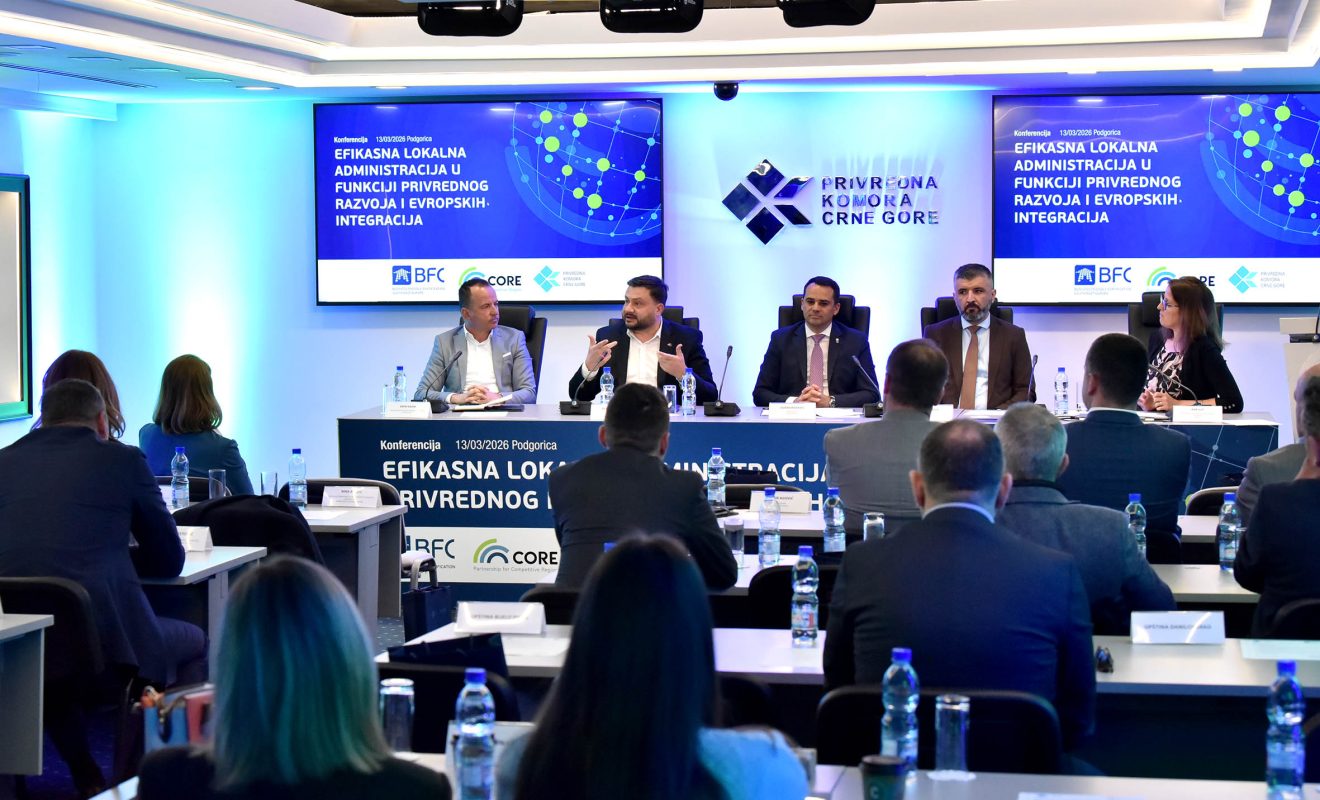
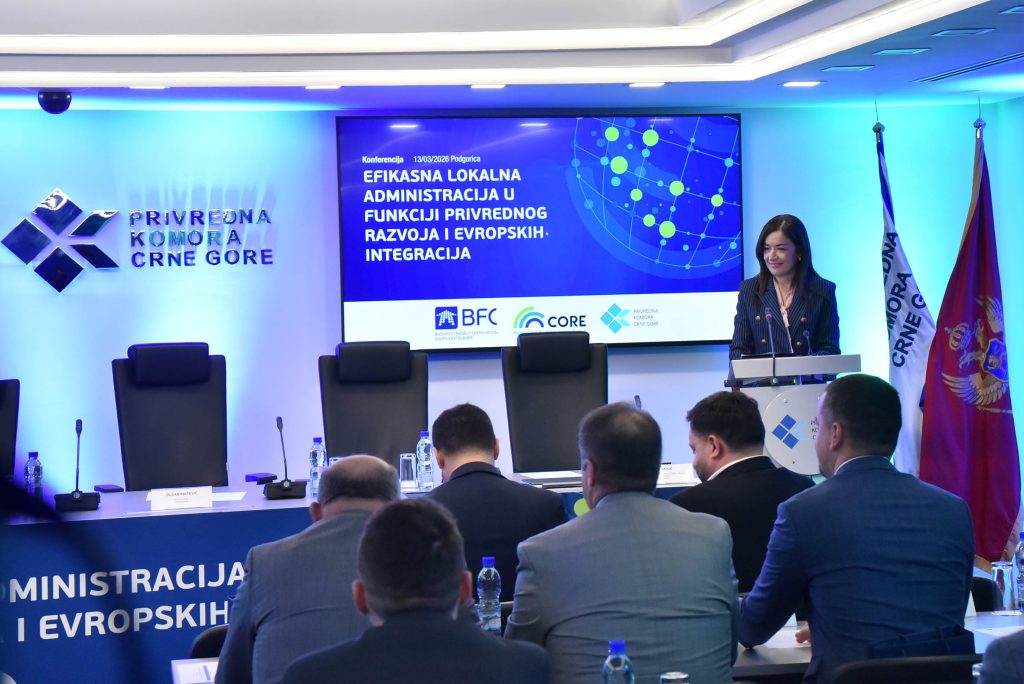
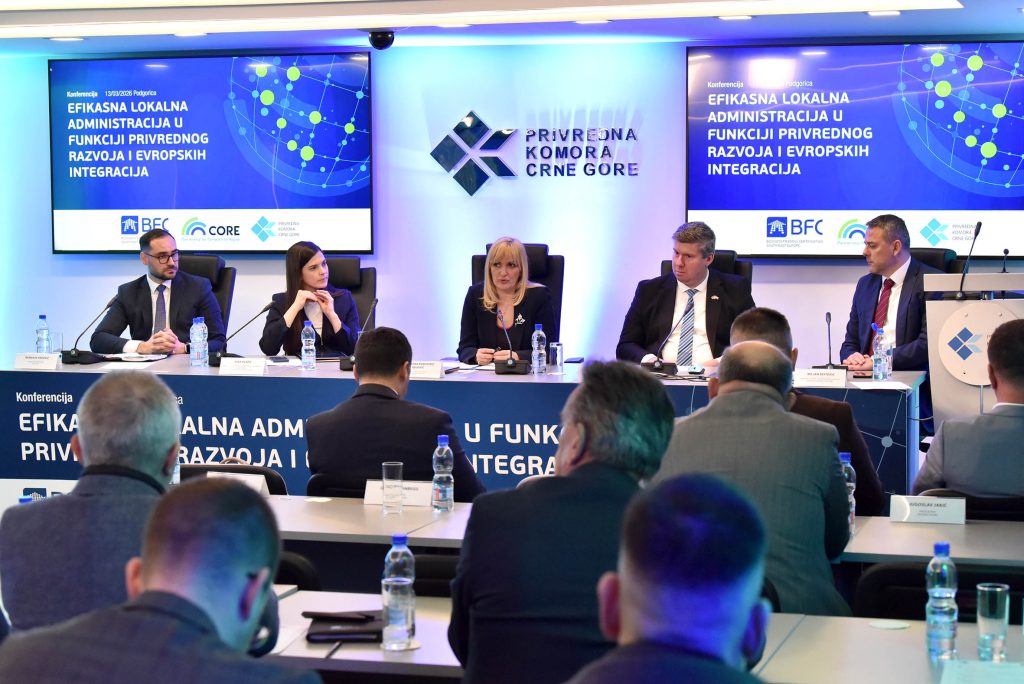
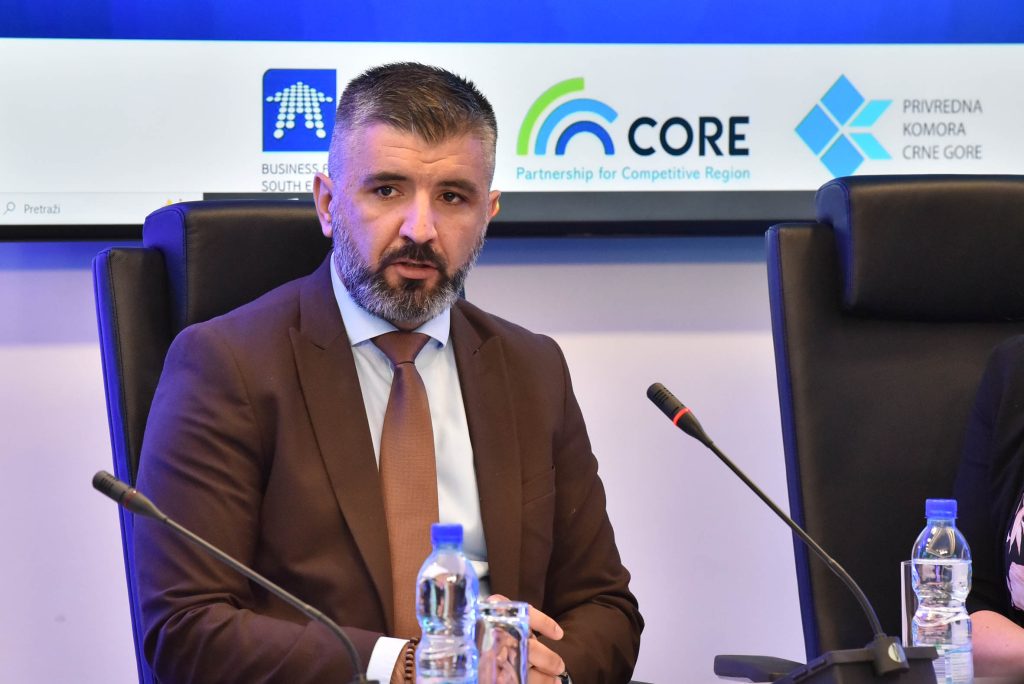
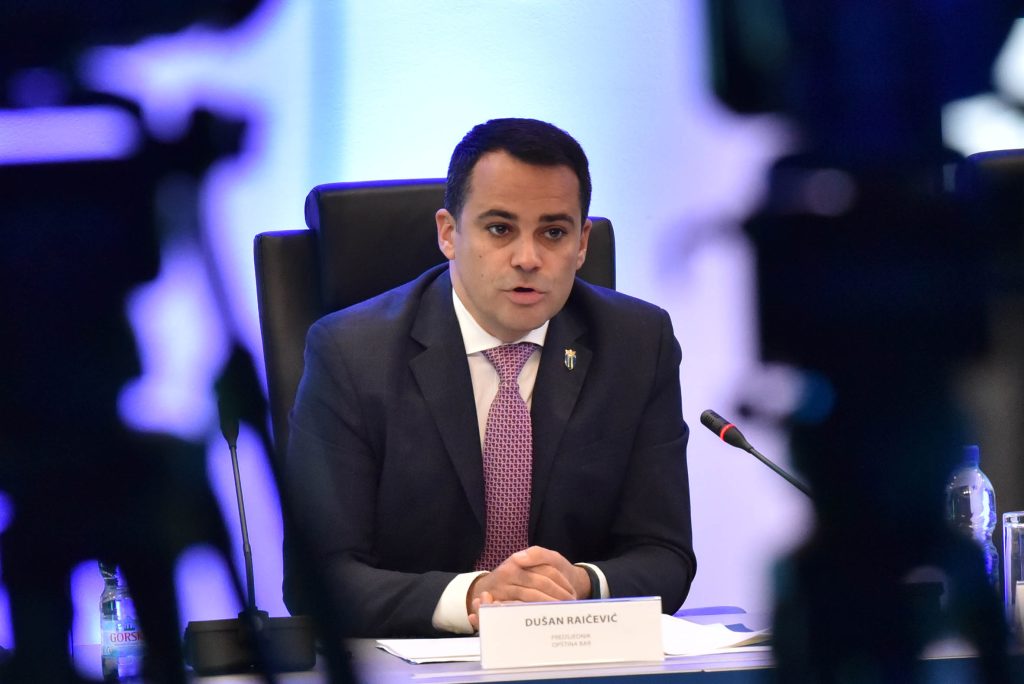
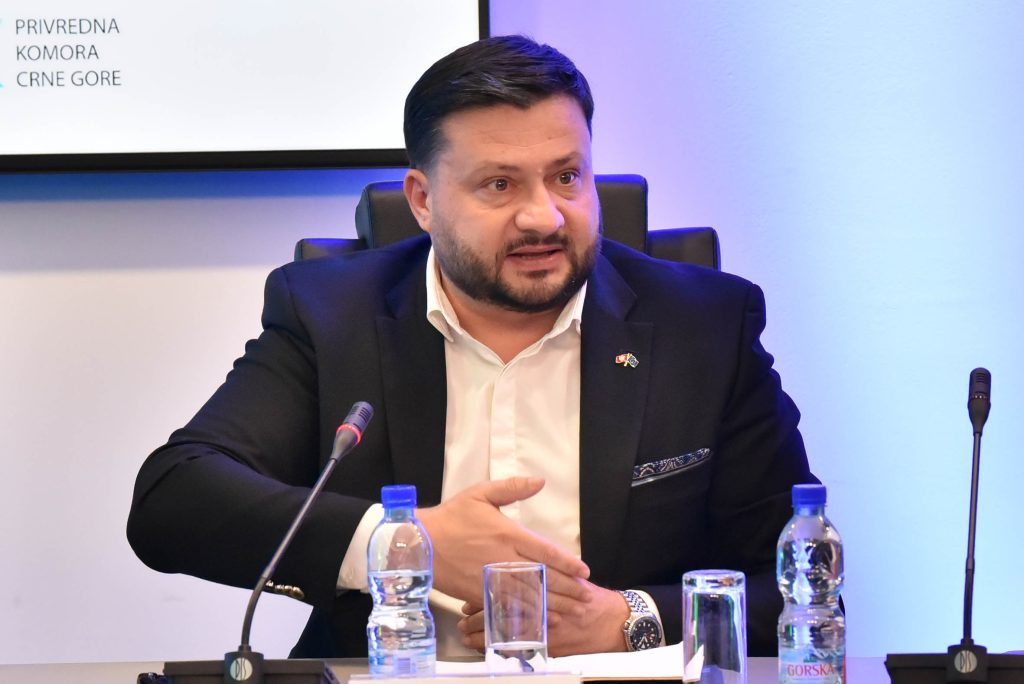
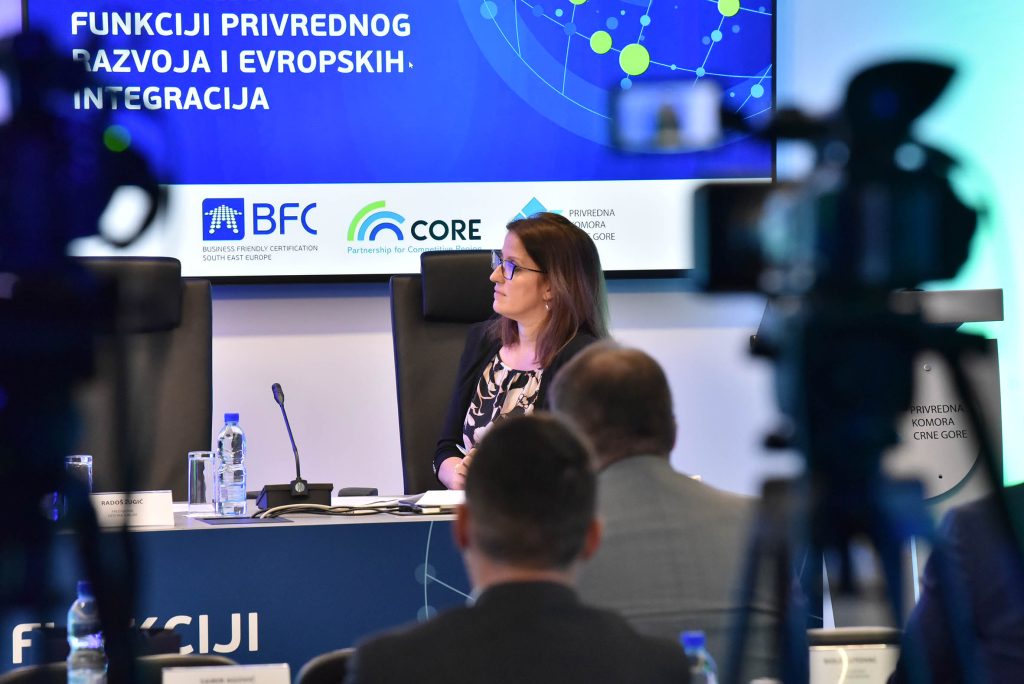
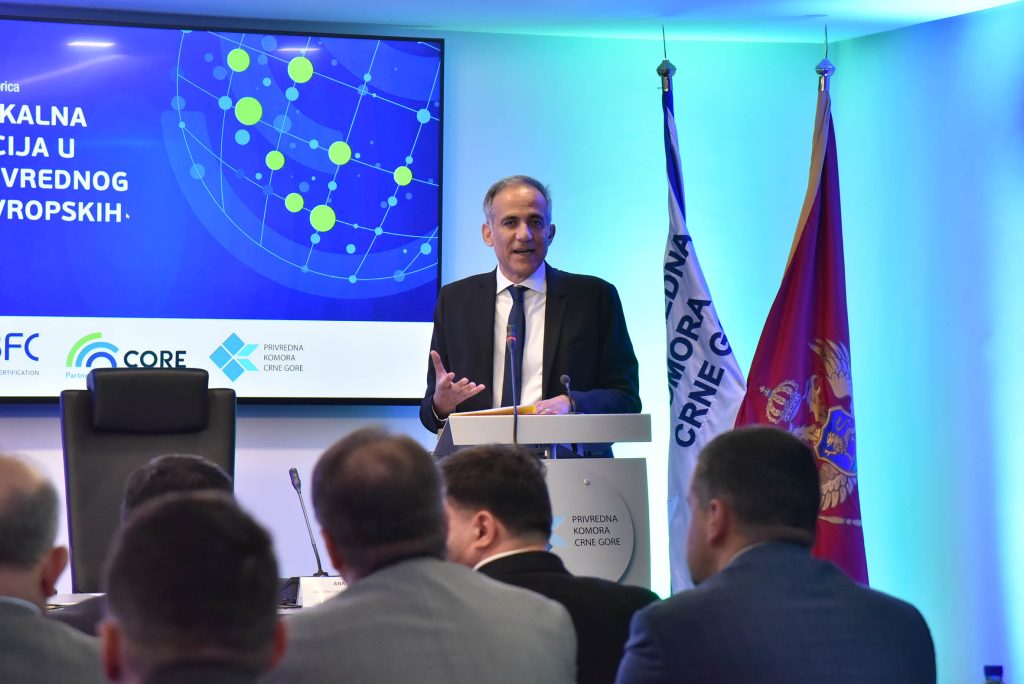
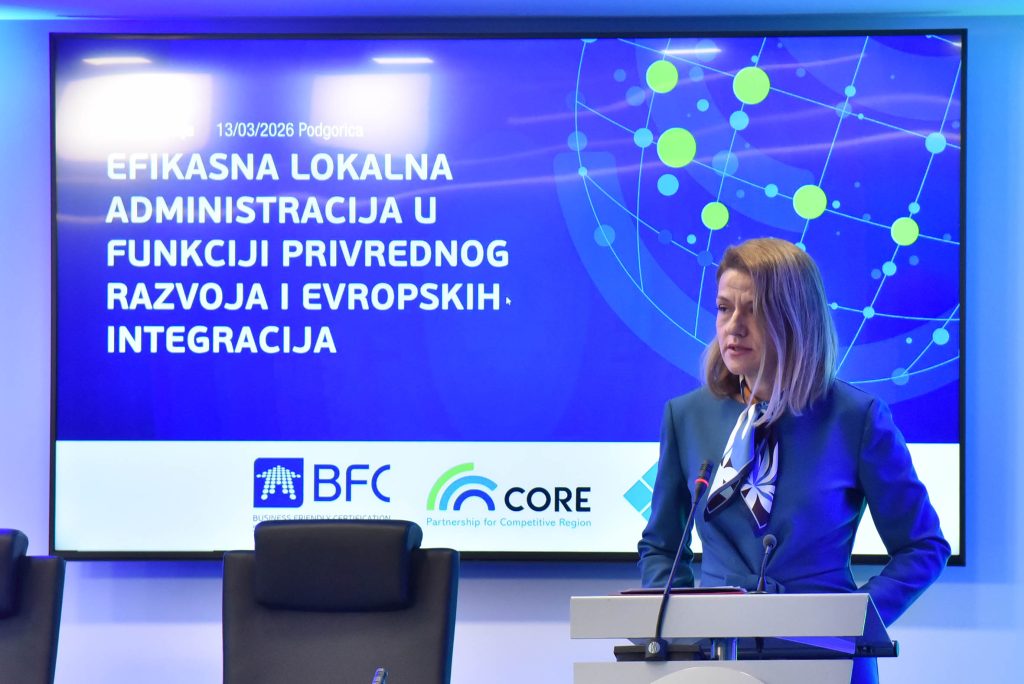
Local self-governments in Montenegro recognize the importance of improving the business environment and are ready to work on the modernization of local administration, it was assessed at the conference "Efficient local administration in the function of economic development and European integration", which was organized at the Chamber of Commerce of Montenegro on March 13.
The President of the Chamber of Commerce of Montenegro, Dr. Nina Drakić, said that the efficiency of the work of the local administration directly affects the speed of realization of investments, the development of local economies and the overall competitiveness of the state.
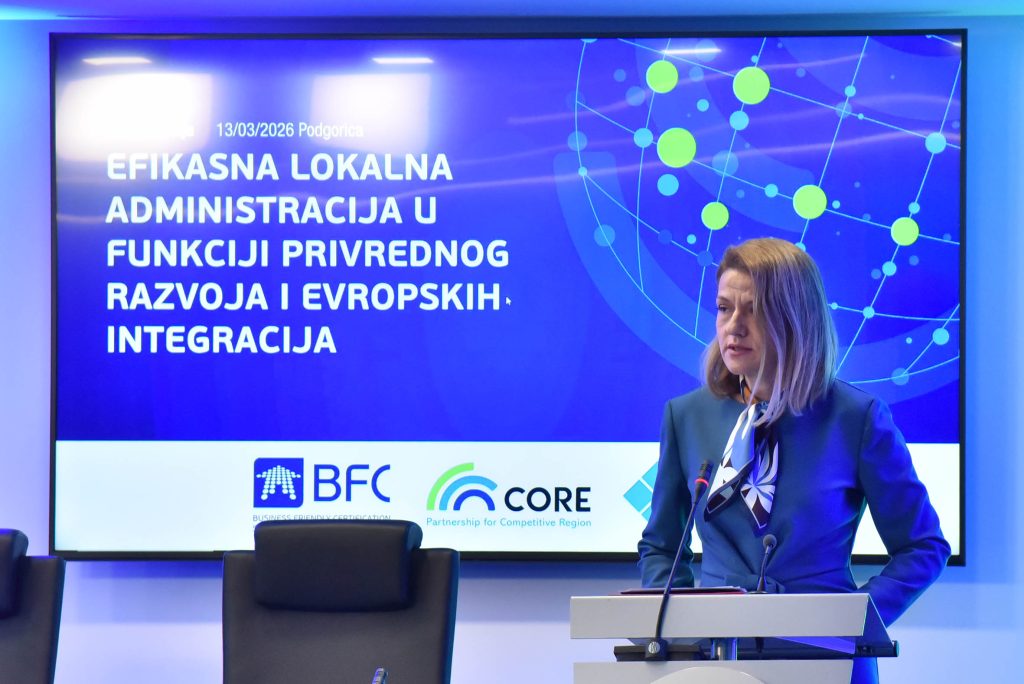
She emphasizes the importance of strengthening the capacity of municipalities and how they would be ready to use the opportunities offered by European funds, which is contributed by cooperation with state institutions and the business community.
"An example of such cooperation is the Business Friendly Certification - BFC program, which helps local governments to improve the quality of administrative procedures and develop a partnership with the economy. The BFC certificate is a confirmation that the municipality has gone through a demanding process of analyzing and improving its work and is ready to continue with reforms."
She concludes that the example of the municipalities of Žabljak and Bijelo Polje, which successfully passed the BFC certification process, and Bar and Tuzi, which obtained this certificate for the first time, shows that local governments in Montenegro recognize the importance of improving the business environment and are ready to work on the modernization of local administration.
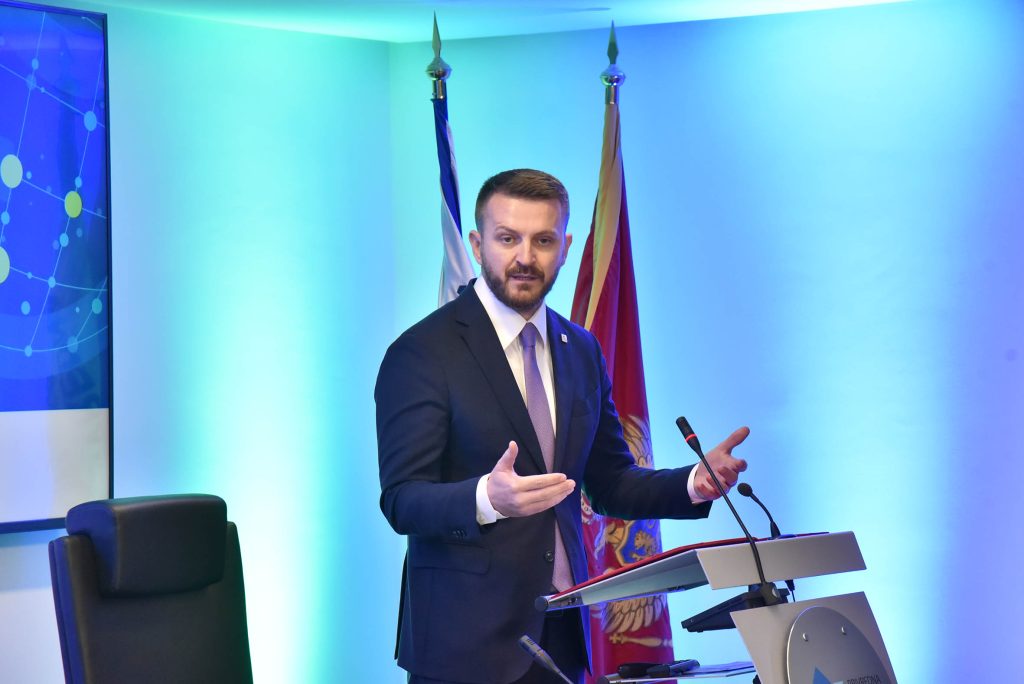
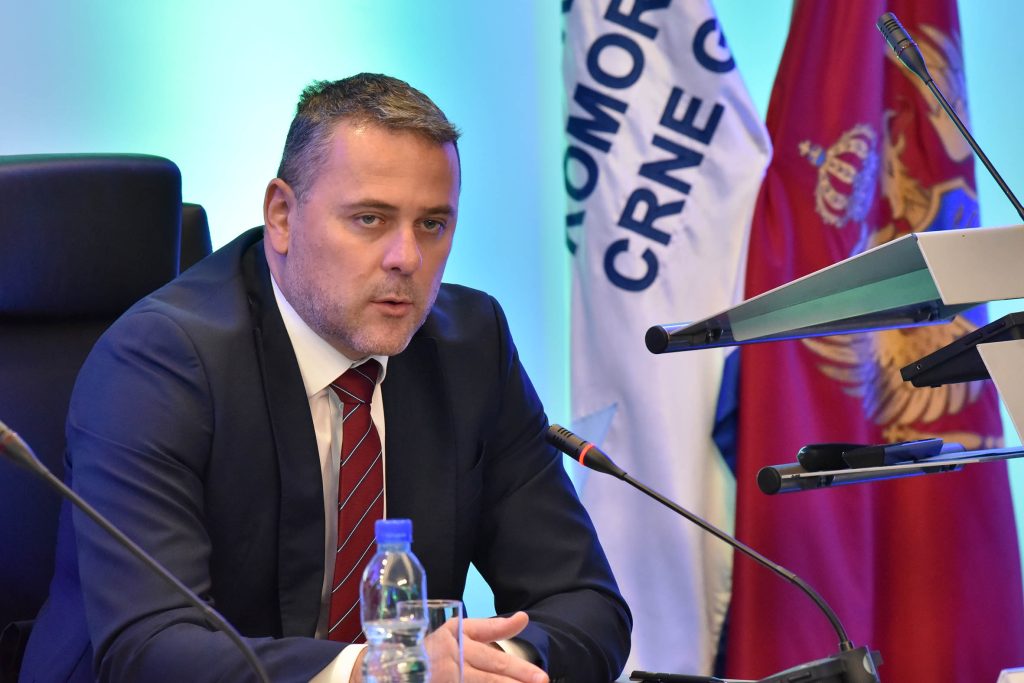
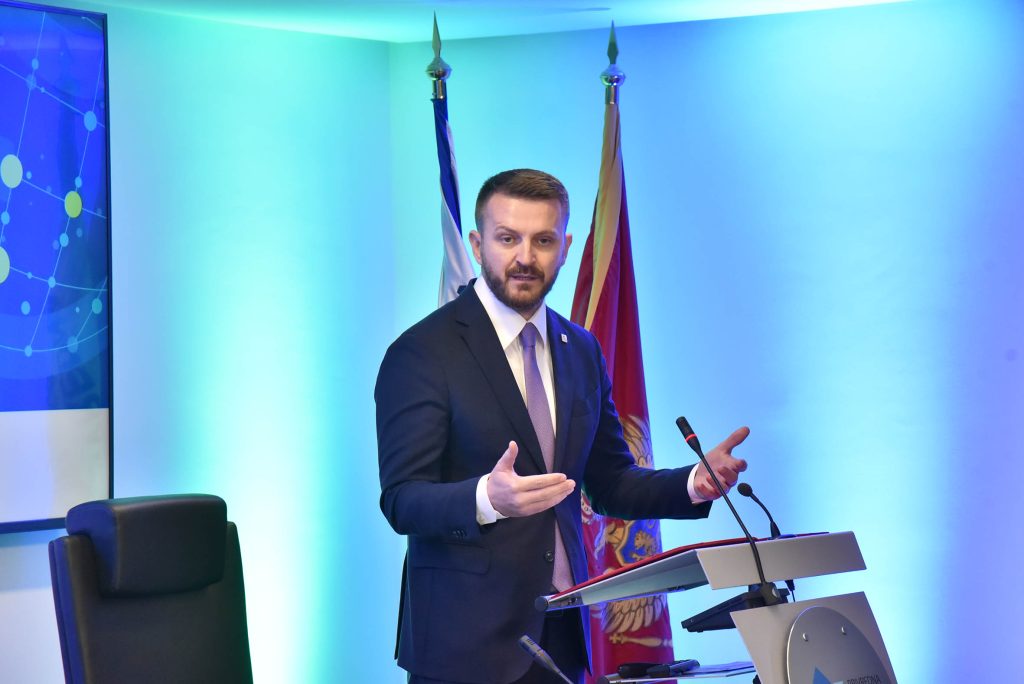
"A municipality that is decentralized, digitized and transparent is not just a "service" - it is the engine of the economy and a key partner in the implementation of European standards. Montenegro must take advantage of the historic opportunity to become the first next member of the European Union. Accordingly, our local self-governments must be strong and resilient as soon as possible", said Minister of Public Administration Marash Dukaj.
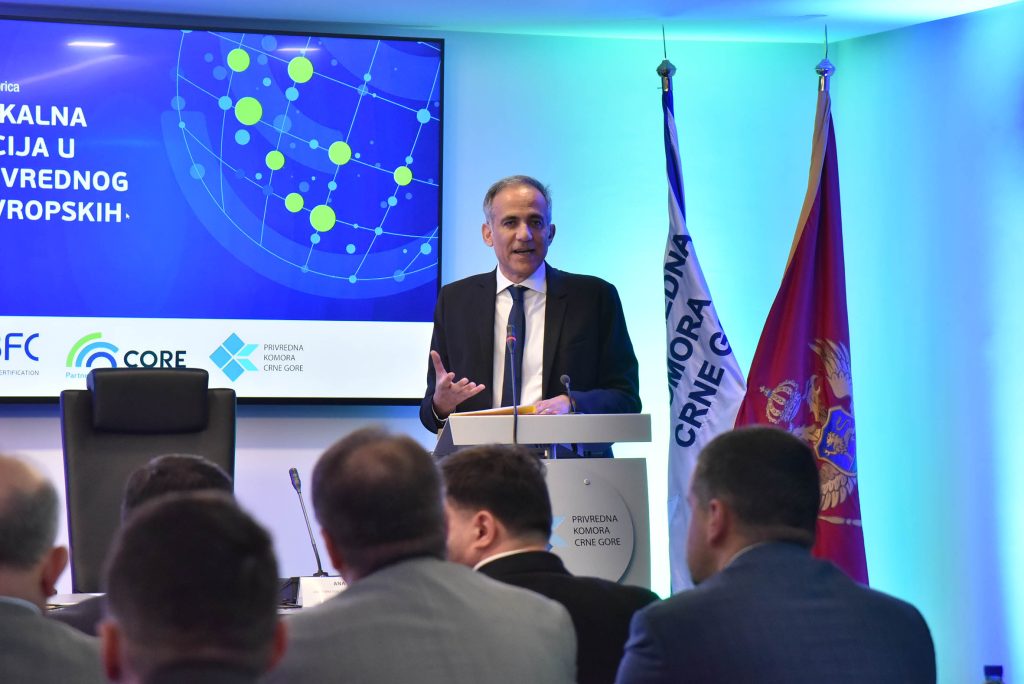
Riccardo Serri, Head of the Department for European Integration, Political Affairs, Media and Information, Delegation of the European Union in Montenegro, emphasized that strengthening the quality, efficiency and transparency of local public administration is crucial for the daily life of citizens and business development. He emphasized that administrative capacity is not an abstract concept, but something that is directly reflected in concrete services that citizens and the economy use, from issuing building permits and registering companies to obtaining various public certificates.
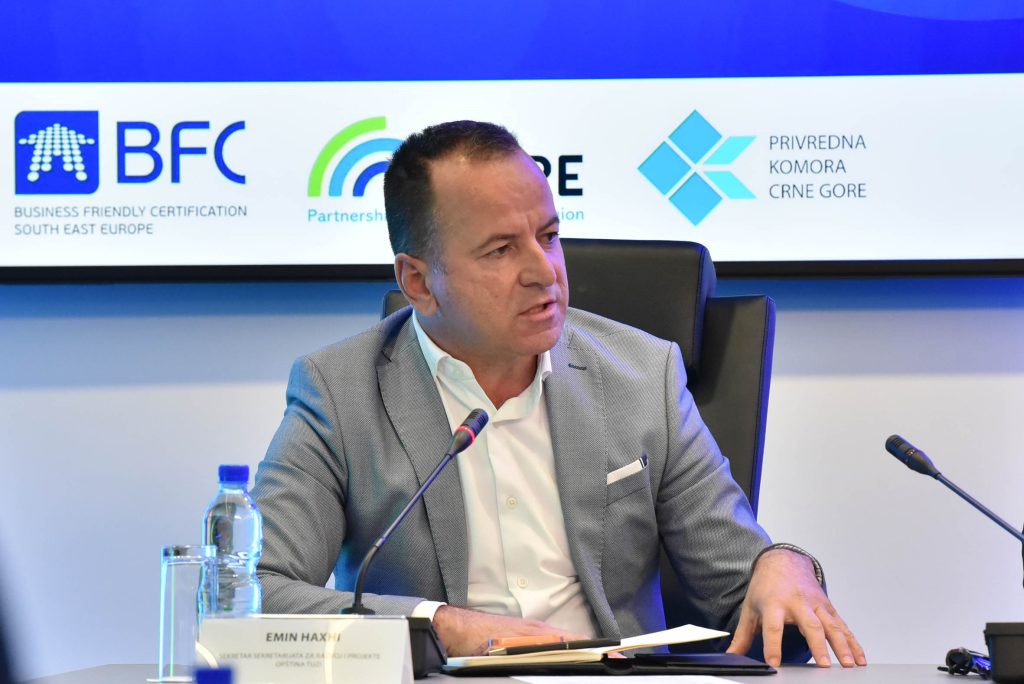
In the first panel, dedicated to the experiences of local self-governments in improving the business environment, the moderator was Ana Ilić from NALED, who pointed out that in the context of accelerated negotiations between Montenegro and the European Union, it is particularly important to strengthen efficient and professional local administration, which will serve as a function of economic development and European integration.
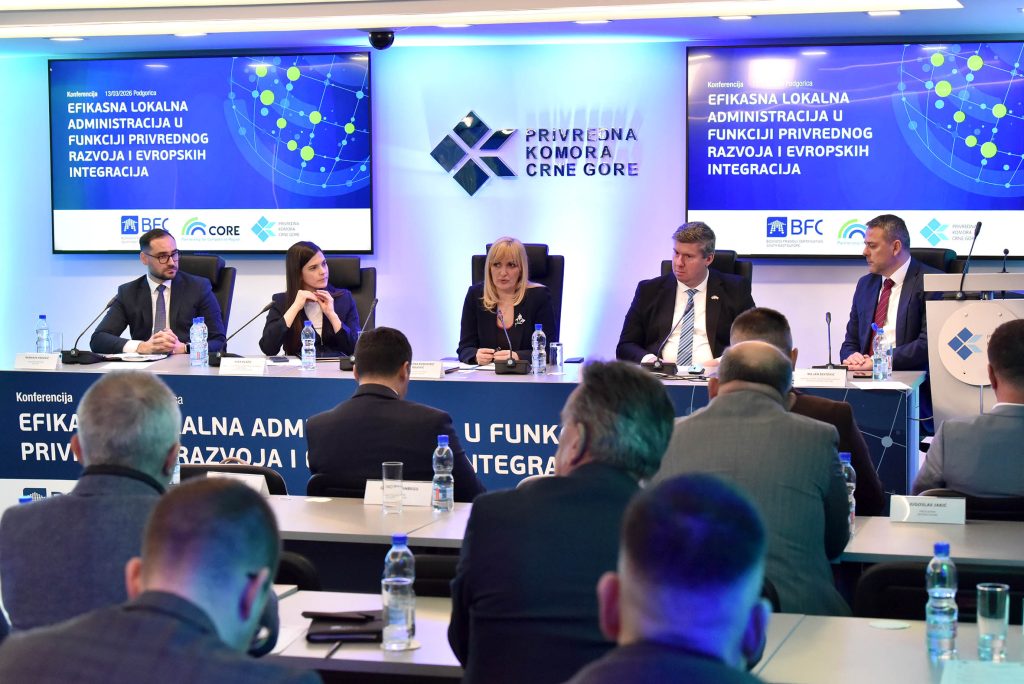
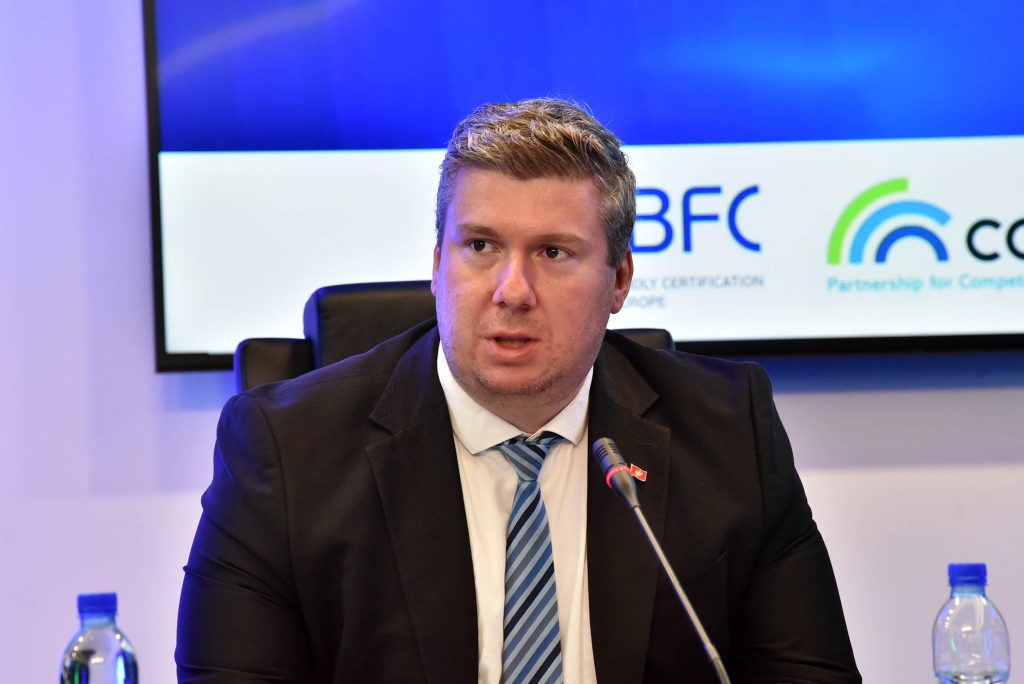
The second panel was dedicated to the readiness of the local administration for new opportunities brought by the process of European integration. The panel was moderated by Miljan Šestović, Director of the Research and Analysis Sector at PKCG, who pointed out that municipalities have at their disposal numerous international and national financial instruments that can contribute to strengthening their efficiency and improving the business environment.
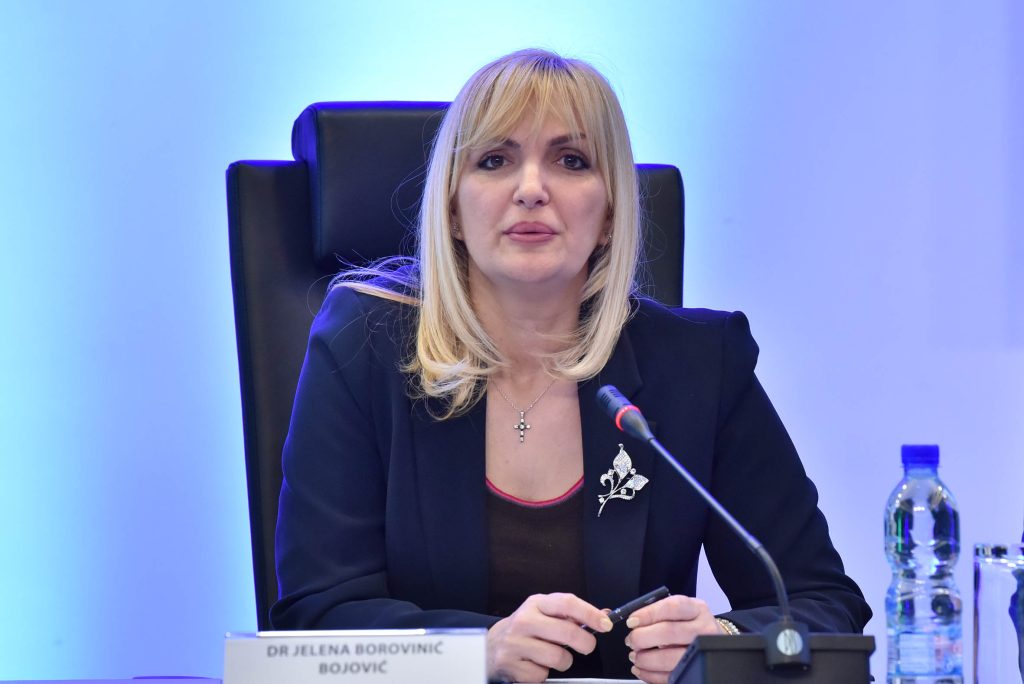
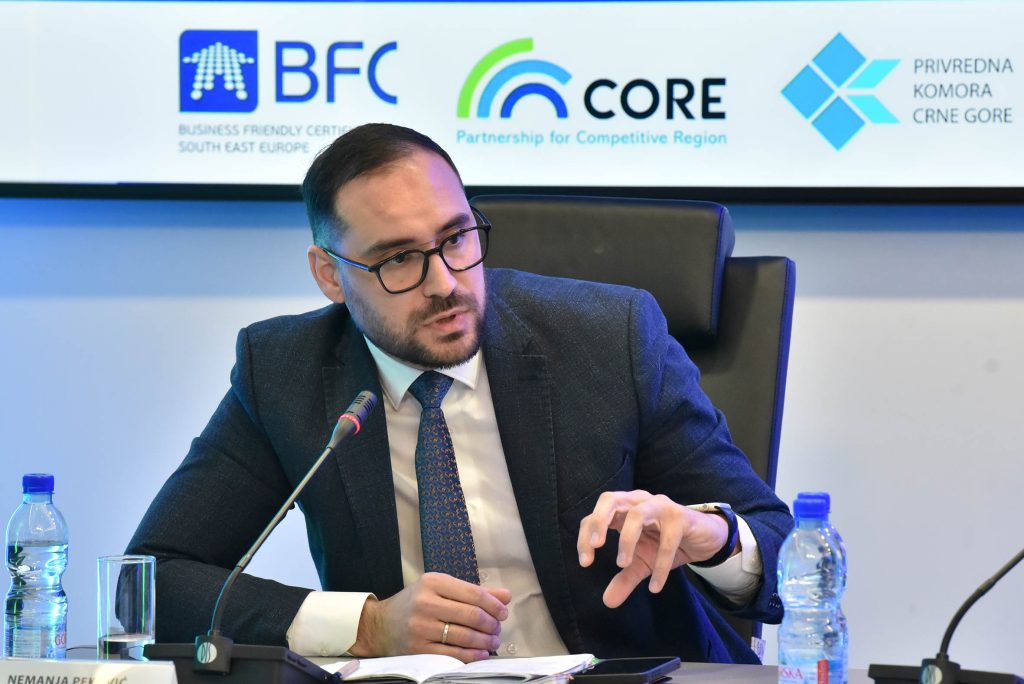
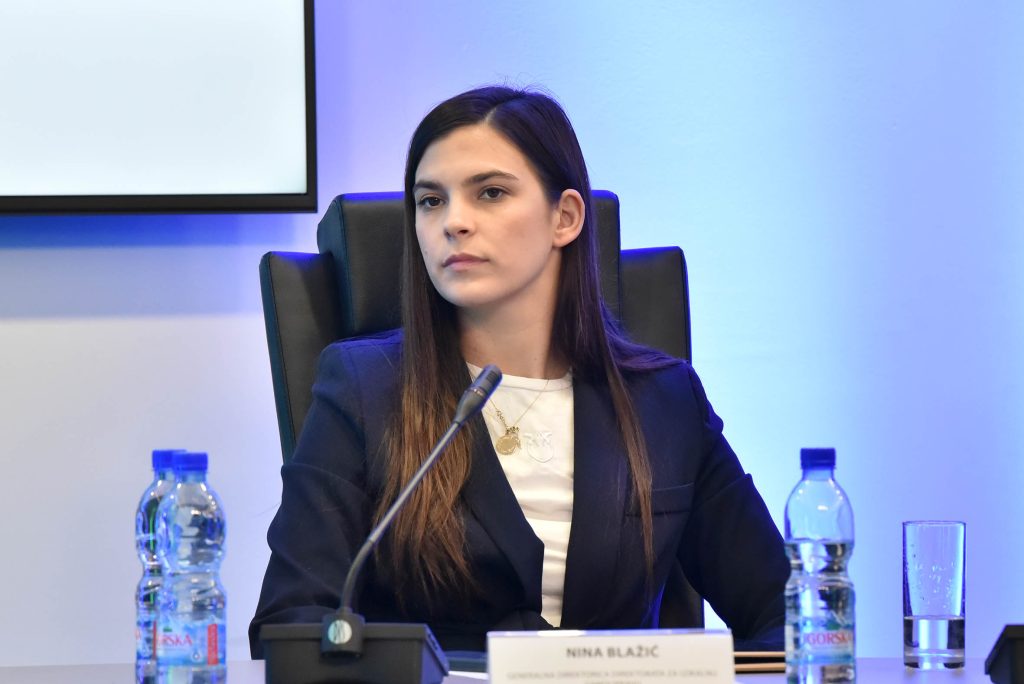
The panel was attended by Director General of the Directorate for Coordination of EU Financial Support in the Ministry of European Affairs, Bojan Vujović, Director General of the Directorate for Local Self-Government in the Ministry of Public Administration, Nina Blažić, Assistant Director of the Eco Fund, Nemanja Peković and President of the Assembly of the Association of Municipalities of Montenegro, dr. Jelena Borovinić Bojović. The panelists talked about the potential of financing projects from European funds, as well as the importance of their adequate preparation, in order to ensure the continuous strengthening of municipal capacities, especially in the aspect of local economic development.